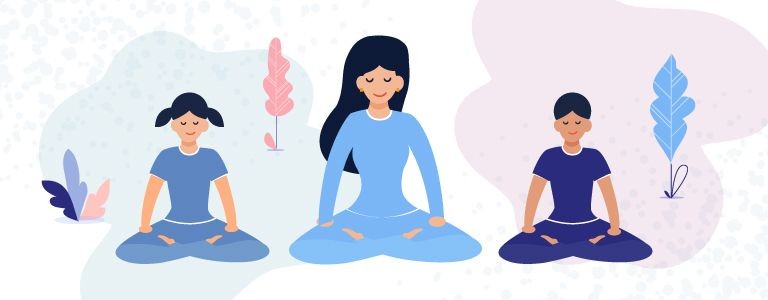
Because emotional regulation is not part of a standard educational curriculum, it’s often up to educators to come up with their own tools for teaching children skills for mindfulness and meditation.
What do these terms mean, and how can adults talk about them at an age-appropriate level? This guide includes resources and activities for teaching children about emotional regulation and meditation.
Teaching Kids About Emotional Regulation
Emotional regulation is a person’s ability to monitor and moderate an emotion or set of emotions, according to the American Psychological Association. The APA says two types of regulation are implicit and explicit regulation:
EXPLICIT EMOTIONAL REGULATION
is conscious monitoring of feelings, and includes: reframing situations in order to understand and manage them better. changing an emotion to create a more positive outcome. recognizing how different behaviors can be used to change an emotional state.
Emotional regulation can happen before a feeling occurs, while a feeling is actively developing, or after it has occurred and been processed.
Being able to identify and understand feelings are the first steps to regulating emotions, an ability that children will continue to develop throughout their lives. Emotional regulation helps kids develop independence, self-discipline, interpersonal skills and emotional intelligence.
Emotional regulation also helps children understand the meaning of their relationships with others, build mental resilience and form their identities.
Resources for Teaching Emotional Regulation
Feelings and Emotions, Sesame Street: A YouTube playlist of videos from the television series where characters help each other identify and discuss their emotions. This playlist is also available in Spanish.
How Can We Help Kids With Emotional Self-Regulation?, Child Mind Institute: A guide for parents that explains specific approaches to teaching self-regulation and the importance of conducting practice runs before an emotion occurs.
An Age-By-Age Guide to Helping Kids Manage Emotions,The Gottman Institute: A resource for parents of infants, toddlers and children that identifies age-appropriate frameworks for teaching kids how to manage emotions.
Why Practicing Can Help with Emotional Regulation, Oregon Behavior Consultation: A video that explains how and why to practice emotional regulation, as part of a larger video series on building cognitive and behavioral skills.
ADHD and Emotions, Understood.org: An explanation of signs that a child needs help with emotional regulation, and key takeaways specific to children with ADHD.
Self-Regulation in Young Children, Raising Children Network: A comprehensive framework for identifying and addressing a child’s need for emotional regulation skills and behavioral strategies depending on their age.
Literacy Apps for Emotional Regulation, Reading Rockets: A list of apps for children and teens on the autism spectrum to help learn about emotional regulation, adapting to changes and understanding others around them.
Emotions and Self-Awareness, PBS Kids: A list of entertainment resources and parenting skills for families with children ages 2-8, includig recommended TV shows, gaming apps and articles dedicated to teaching children about emotions.
Emotions Worksheets for Children, Therapist Aid: A series of printable worksheets and activities that educators, counselors or parents can use to teach children about understanding specific emotions.
Emotional regulation often involves pausing for a moment of self-reflection to identify and address one’s feelings, evaluate the relevance to the situation at hand, and choose how best to move forward in resolving the emotion. One way to practice self-reflection is through meditation. Meditation helps a person become aware of their emotions and mindful of how to compassionately address their feelings.
Meditating is commonly practiced by resting quietly and listening to a guided thought process from another person or an audio recording. Other meditative practices include repetitive breathing techniques, body movement and chanting.
There are many types of meditation to serve a variety of purposes and age groups. According to HealthyChildren.Org, age is also a factor in determining how long people should meditate each day:
For children, learning to use meditation can help with emotional regulation and behavioral awareness. Children of any age can learn to meditate individually or in a group.
Resources for Teaching Meditation
Traumatic Experiences, Sesame Street: A playlist of selected videos from the popular television series where characters teach each other meditative skills in a kid-friendly format, including breathing, counting and other exercises for calming emotions. These videos are also available translated into Spanish.
Meditation for Kids, Headspace: A short video explaining how to use meditation exercises for kids, with five focus areas: calm, focus, kindness, sleep and wake-up.
Teaching Meditation to Children and Beginners, The Barre Center for Buddhist Studies: Scripts adults can use to teach children about guided meditations. Each meditation focuses on a different sensation or area of the body.
Guided Meditation for Kids with Deepak Chopra, Live Sonima: A six-minute video where Deepak Chopra leads a group of children through different meditative prompts about self-love and positive awareness.
Teach Children and Teens Meditation, Connected Kids: A list of e-books, online courses and free meditation tools for teaching meditation to children and teenagers.
Mindfulness Practices for Children with Autism, Autism Resources and Community: Six activities incorporating mindfulness and meditation, and recommended books and research papers about meditative practices for children on the autism spectrum.
8 Meditation Apps for Kids, Understood.org: Mobile applications parents can use with their kids to learn about incorporating meditation into a routine.